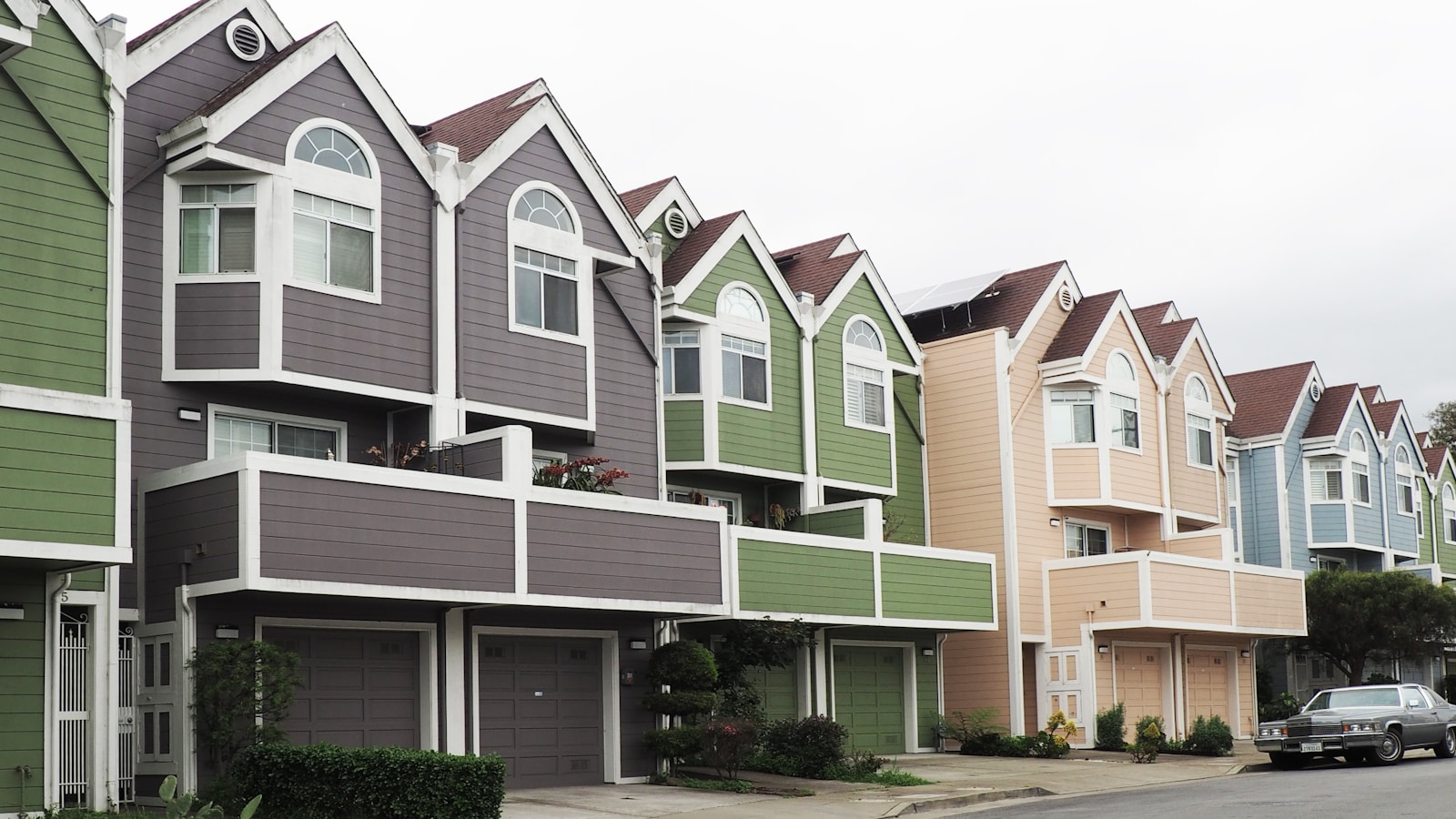
Nothing gets a homeowner's attention like a sold sign three doors down. And rightly so: a sale on your street is the single most relevant data point your home's value will receive this year. But most owners read it wrong, in one of two expensive directions.
The two classic misreadings
The first is the optimistic one: the neighbour sold high, therefore my home is worth at least that. Sometimes true. But the sale price you heard about carries context you may not have: a premium lot, a renovated interior you never saw, a bidding war engineered by sharp pricing, or terms that quietly traded price for certainty.
The second is the pessimistic one: the neighbour sold low, therefore my equity just shrank. Also sometimes true, and also often not. Estate sales, divorces, homes sold tired and vacant, and sellers who chased the market down after overpricing all print numbers that say little about a well-kept home launched properly.
A sold price without its story is not a comparable. It is a rumour with digits.
How professionals actually read a neighbour's sale
Four questions do most of the work. What was the list-to-sale relationship: did it sell over asking in days, or under asking after months? The mid-2026 data makes this legible, since the typical GTA sale lands at 97 per cent of list and well-priced homes move in about three weeks; deviation from that pattern is information. What was the condition and lot, really: interior finishes, frontage, exposure, and position on the street routinely swing values by six figures at the luxury level. What were the terms: closing flexibility and clean offers often buy discounts that look like market softness but are not. And who were the buyers: one determined buyer prints a different number than three competing ones.
Why this matters more in 2026
In a two-speed market, where sold homes move in three weeks while the average listing waits seven, individual sales diverge sharply from the averages. Your street can genuinely outperform its own postal code, or lag it, based on a handful of transactions. Owners who understand their street's actual pattern, not the region's headline, price better when they sell and negotiate better when they buy.
The quiet opportunity in every nearby sale
Each sale on your street also does something useful: it resets the ceiling or tests the floor. A strong custom sale nearby raises what buyers will accept as normal for the street. If you own a $2-million-plus property, the sales around you are, in a real sense, marketing you never paid for. Knowing how to position against them is the skill.
An offer, without the strings
When a sale happens near my clients, I prepare a short street-level read: what it actually sold for and why, what it changes for their home, and what it suggests about timing. Owners consistently tell me it is the most useful two pages they receive all year.
If a recent sale near you has you wondering what it means for your own value, send me the address. I will tell you the story behind the number, no obligation attached.