The question every seller asks, phrased wrong
Most owners of a $3M+ home ask "what will make my house sell for more." That is the wrong question. The right one is "what will make a qualified buyer act with confidence." At this price point, the buyer is rarely emotional in the way a first-time buyer is. They are comparing your house to two or three others, running numbers with an advisor, and looking for a reason to say no. Your job is to remove those reasons, not to manufacture excitement.
That distinction changes almost everything about how you prepare, price, and launch.
Preparation: the theatre versus the substance
There is a long list of things sellers are told to do before listing. Some of it moves the needle. Much of it is theatre.
Fresh paint in neutral tones, resolved deferred maintenance, and a clean mechanical story (roof, furnace, windows, any permits pulled) genuinely matter. Buyers at $3M+ almost always bring a home inspector who knows what they are looking at, and in structuring a home inspection condition at this level, I have seen negotiations unravel over a knob-and-tube finding that could have been disclosed and priced in from day one. Fixing the real stuff, or at least documenting it honestly, is substance.
Staging furniture and lifestyle photography matter less than people think, and I have written in detail about what actually moves the number in staging a $3M home. A beautifully staged living room will not offset a basement that shows water staining, and it will not convince a buyer who already noticed the listing photos look suspiciously better than the walkthrough. On that note: there has been a lot of chatter lately about overly enhanced listing photography, rooms that look twice their real size, furniture that was never there. Buyers in this bracket notice the gap the moment they walk in, and the credibility hit follows you into negotiation. Honest photography of a well-prepared home outperforms dramatic photography of an average one, every time.
Pricing: read the comparables, not your feelings
Pricing a $3M+ home is not about what you spent, what you need, or what a neighbour heard someone paid. It is about what closed, recently, on a genuinely comparable property.
Oakville is a useful live example right now. The Korea JoongAng Daily (Toronto edition) reported that Oakville's average sale price rebounded to 1.37 million dollars in September, a 3.1 percent increase from the prior month, even as transaction volume fell 17.3 percent. Read that correctly: fewer homes are trading, but the ones that are selling are commanding a premium. That pattern tends to reward well-prepared, well-priced listings and punish the ones sitting at an optimistic number hoping a buyer materializes. A thin market is not a weak market for the right house. It is a market with very little patience for the wrong price.
This is also where a seller needs to resist comparing their home to the whole street and instead compare it to the two or three homes that actually closed. I covered this logic in what your neighbour's sale really says about your home's value, and it holds here too: one well-documented recent sale tells you more than ten listings that never closed.
Launch: the first ten days still decide the outcome
At the luxury tier, the first wave of attention, serious agents previewing, qualified buyers touring, offers forming, still sets the tone for everything that follows. A home that sits quietly for a month before gaining traction has usually told the market something, even if that something was simply a pricing miss corrected too slowly.
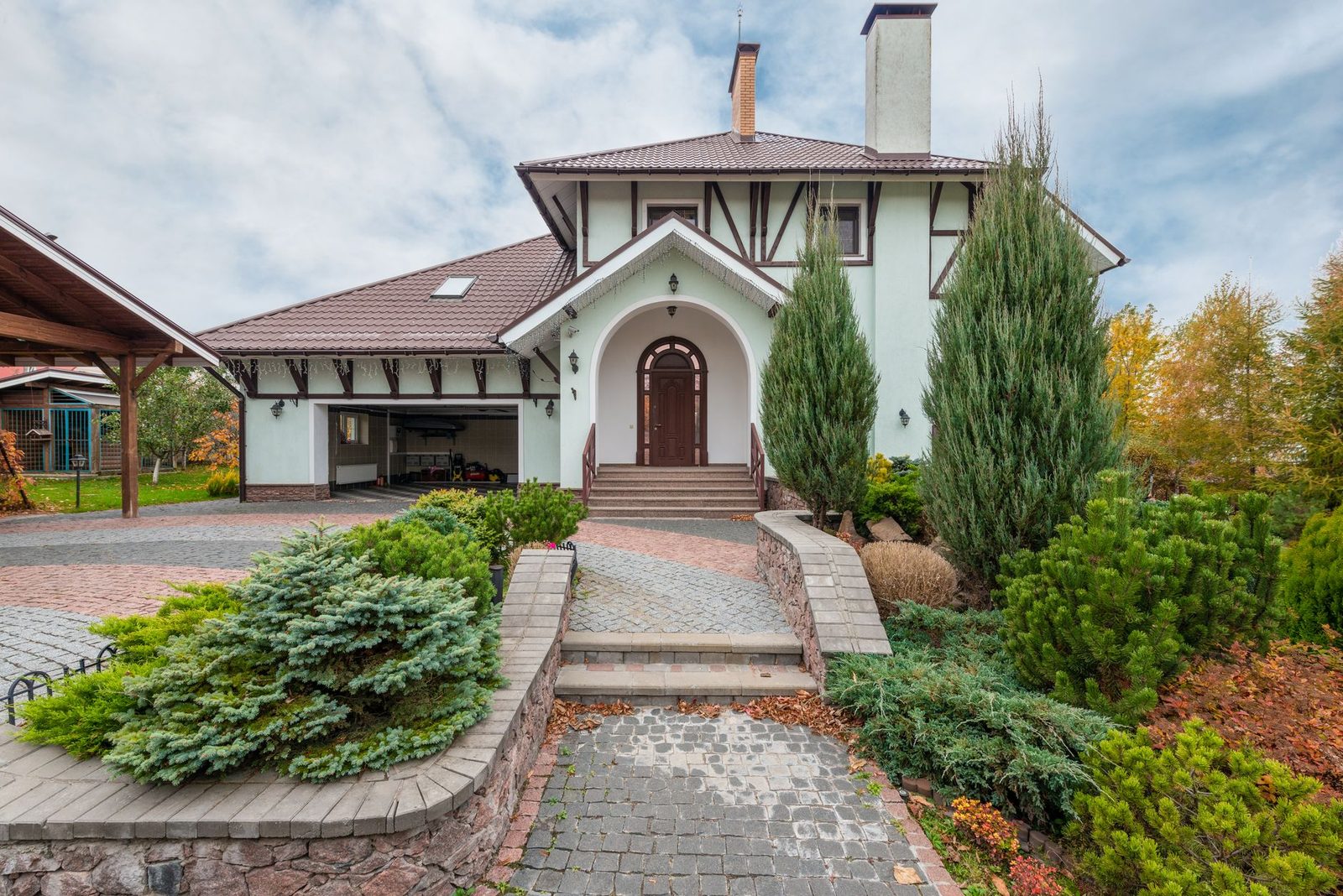
Picture a four-bedroom estate in Morrison, Oakville, mechanically sound, tastefully updated, priced against two recent closings on comparable lots. If it launches clean, with honest photography, disclosed condition, and a defensible number, it tends to draw the right buyers in the first two weeks and negotiate from strength. If it launches overpriced "to leave room," it sits, buyers assume something is wrong, and every subsequent price reduction reads as weakness rather than correction. The launch is not marketing. It is the moment the market forms its opinion of your home, and that opinion is hard to reverse.
What this means for you
If you are preparing to list this fall, the sequence matters more than any single tactic. Fix what is real, disclose what you cannot fix, price against actual closings rather than hope, and treat your launch week as the one shot you get to make a strong first impression. Everything else, the staging flourishes, the dramatic photography, the "test the market" high number, is theatre that a sophisticated buyer sees through quickly.
Here is a short checklist to work through before you list:
- Document condition honestly. Pull permits, service records, and recent inspection reports together before a buyer's inspector finds the gaps for you.
- Resolve the big-ticket items. Roof, mechanicals, structural concerns. Cosmetic touch-ups are optional; these are not.
- Price against closed comparables only, not active listings, not what you hope the market will do.
- Use honest photography. A buyer who feels misled in the listing photos negotiates harder, or walks, once they see the real space.
- Treat the first two weeks as the test. If showings and offers are not materializing, the price is the first thing to revisit, not the marketing.
- Time your launch deliberately. A thin-volume, premium-price market like the one Oakville is showing right now rewards a prepared, well-timed listing more than a rushed one.
What part of this list is your home not ready for yet, and is that a preparation problem or a pricing problem? Jai, with The Agency, Toronto, works with buyers, sellers, and custom-build clients across the GTA and is glad to have a ten-minute conversation about your own situation, offered as a courtesy, never a pitch.